Happy Birthday Font: A Handwritten Typeface for Authentic Projects
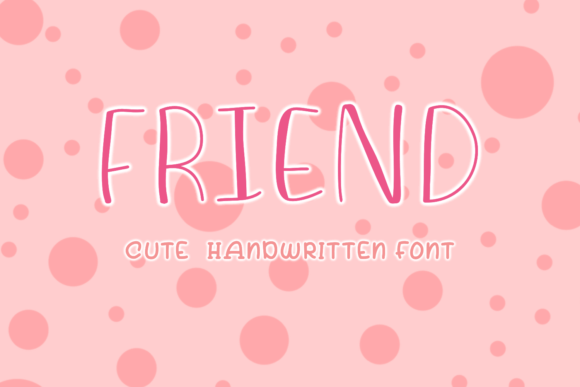
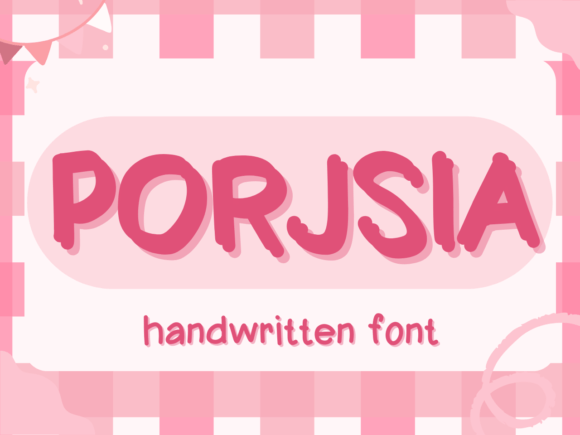
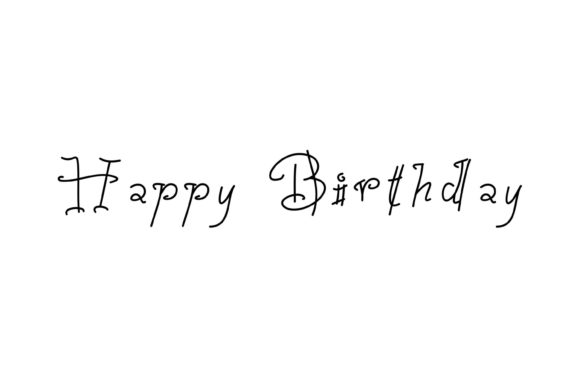
In a digital landscape saturated with polished corporate typefaces and rigid sans serifs, finding a font that feels genuinely human can be a strategic advantage. The Happy Birthday Font is a premium font asset designed to bridge the gap between professionalism and personal touch. It is a cute and simple lettered handwritten font that captures the spontaneous energy of casual writing without sacrificing legibility. For designers, entrepreneurs, and content creators, this typeface offers a distinct voice. It is not merely a decorative element; it is a tool for storytelling that adds warmth to any visual hierarchy.
Visual Characteristics and Personality
Understanding the anatomy of the Happy Birthday Font is the first step in utilizing it effectively. Visually, it strikes a balance between a script font and a structured letterform. Unlike many aggressive cursive styles that require a magnifying glass to decipher, this handwritten font prioritizes clarity. The letter spacing is generally generous, allowing each character to breathe, which significantly aids in readability across various sizes.
The personality of this typeface is approachable and lighthearted. It mimics the inconsistencies of real handwriting—slight variations in baseline and stroke width—which gives it an organic quality. This is crucial in modern typography, where audiences often crave authenticity over the sterile perfection of vectorized machine text. It feels personal, as if a note was written just for the viewer, making it an excellent choice for brands that want to cultivate a friendly, non-corporate persona.
Strategic Applications Across Industries
The versatility of the Happy Birthday Font extends far beyond party invitations. Its utility spans multiple sectors of the creative industry, serving as a valuable design asset for both digital and print mediums.
Branding and Identity
For brand identity, particularly for small businesses, bakeries, boutique agencies, or lifestyle blogs, this font can serve as a cornerstone of visual identity. It works exceptionally well in logo design where the goal is to appear accessible. However, it is important to note that while it is a creative font, it may not suit industries requiring high gravitas, such as law or finance. For a coffee shop or a florist, however, it communicates the exact right tone of care and craftsmanship.
Digital and Web Design
In web design and social media graphics, the font acts as a powerful tool for emphasis. It is rarely advisable to set long paragraphs of body copy in a handwritten font, as this can strain the eyes. Instead, use Happy Birthday Font for headers, pull quotes, or call-to-action buttons. On Instagram or Pinterest, where visual scroll-stopping power is currency, this typeface helps content creators differentiate their messages from the standard geometric sans serifs used by competitors.
Publishing and Editorial Design
In editorial design, this typeface shines in subheadings or drop caps. For a magazine or a newsletter focused on lifestyle, travel, or food, it adds a layer of editorial flair. It breaks the monotony of reading dense text set in a traditional serif font or sans serif font, guiding the reader’s eye through the layout with a rhythmic, conversational flow.
Packaging and Physical Products
Packaging design is another arena where this font excels. When physical products sit on a shelf, the packaging must communicate the brand's essence instantly. Using the Happy Birthday Font on a label or a box can suggest that the product was made with love, or that the brand doesn't take itself too seriously. It is a tactile choice that translates well to physical media, provided the printing quality is high enough to capture the font's nuances.
Influence on Audience Engagement and Hierarchy
Typography is the silent ambassador of your brand. The choice of a handwritten font like Happy Birthday Font influences how an audience perceives your message. It creates an emotional connection that rigid modern typography often fails to establish.
When used correctly, it enhances visual hierarchy. By contrasting this font with a neutral background or a clean sans serif body text, you create a clear distinction between primary and secondary information. This contrast is vital for engagement; it tells the viewer exactly where to look first. Furthermore, the informal nature of the font can lower psychological barriers for the audience, making them more receptive to your message, whether it is a sale, a blog post, or a brand story.
Practical Guidance for Implementation
Integrating a new typeface into your workflow requires more than just installation. To maximize the potential of the Happy Birthday Font, consider the following practical recommendations.
- Evaluate Project Fit: Before applying the font, audit the project requirements. Does the brief call for a serious, authoritative tone? If yes, opt for a classic serif or sans serif. If the brief calls for warmth, creativity, or a personal touch, the Happy Birthday Font is a strong contender.
- Master Font Pairing: A creative font rarely works in isolation. Effective font pairing is essential. Try pairing the Happy Birthday Font with a clean, geometric sans serif for body text. The contrast between the organic, irregular lines of the handwritten style and the mathematical precision of the sans serif creates a sophisticated, balanced aesthetic.
- Test for Readability: Always test the font at the size it will be viewed. A display font might look stunning at 72pt on a monitor but become illegible at 12pt on a mobile screen. Ensure your headers remain crisp and your subheadings retain their character.
- Review Commercial Licensing: If you are a small business owner or agency, you must verify the licensing. Ensure the font is licensed for commercial font use, covering your specific needs, whether that is for merchandise, digital ads, or client work.
Ultimately, the Happy Birthday Font is more than just a collection of glyphs; it is a design asset capable of elevating your creative output. By understanding its strengths and applying it with strategic intent, you can transform standard designs into memorable, engaging experiences. Whether you are refreshing a brand identity